

Did you know that the raising of beef for red meat produces more climate changing emissions than all transport emissions combined? If you want to save money and save the planet, consider changing one or more of your meals per week to vegetarian. It’s not easy for people to go fully vegetarian, but here are two options that will still make an impact:
Weekday Vegetarian: this idea was coined by Graham Hill, founder of the Treehugger web site. He explains the idea simply in this 4 minute TED video: http://www.ted.com/talks/graham_hill_weekday_vegetarian.html
Another worthy initiative is the Meatless Monday movement, which encourages people to go vegetarian on Mondays. The idea was developed by Sid Lerner, in collaboration with the John Hopkins School of Public Health Center for a Liveable Future.
There are lots of great and tasty alternatives to meat meals, and there is no need to be limited to just a green salad. Protein rich meals could include ingredients such as quinoa (my favourite), legumes, couscous, oats, nuts, seeds, eggs, and cheeses. Sustainably harvested fish are also a good option. In winter-time, spoil yourself with a hearty thick soup or a stir-fry; in summer go for a salad with some nuts, cheese, beans and cooked pasta or quinoa tossed in. The easiest way to find a good vegetarian recipe on the fly is to simply make a list of a few basic ingredients that are in your fridge or pantry, and just Google them along with the word “recipe”. I found a yummy and versatile quinoa-bake recipe by doing that, which can be modified with whatever vegetables or cheeses you happen to have on hand: http://www.treehugger.com/files/2008/11/on_moving_towar_1.php
So how will becoming a Weekday Vegetarian or Meatless Monday adherent help you and the planet? By eating less meat, especially beef, you will be lowering emissions caused by the meat industry which contribute significantly to global warming. You will help save precious drinking water, because the raising of cattle uses 100 times more water than growing vegetables. You will save trees, because in many developing countries, forests are cut down to produce more grazing land for the cattle. Cattle are treated with anti-biotics and various pesticides and chemicals, which end up in the environment and the food chain, which are harmful to us all. Last but not least, meat is more expensive than vegetarian options, so you will save money, too.

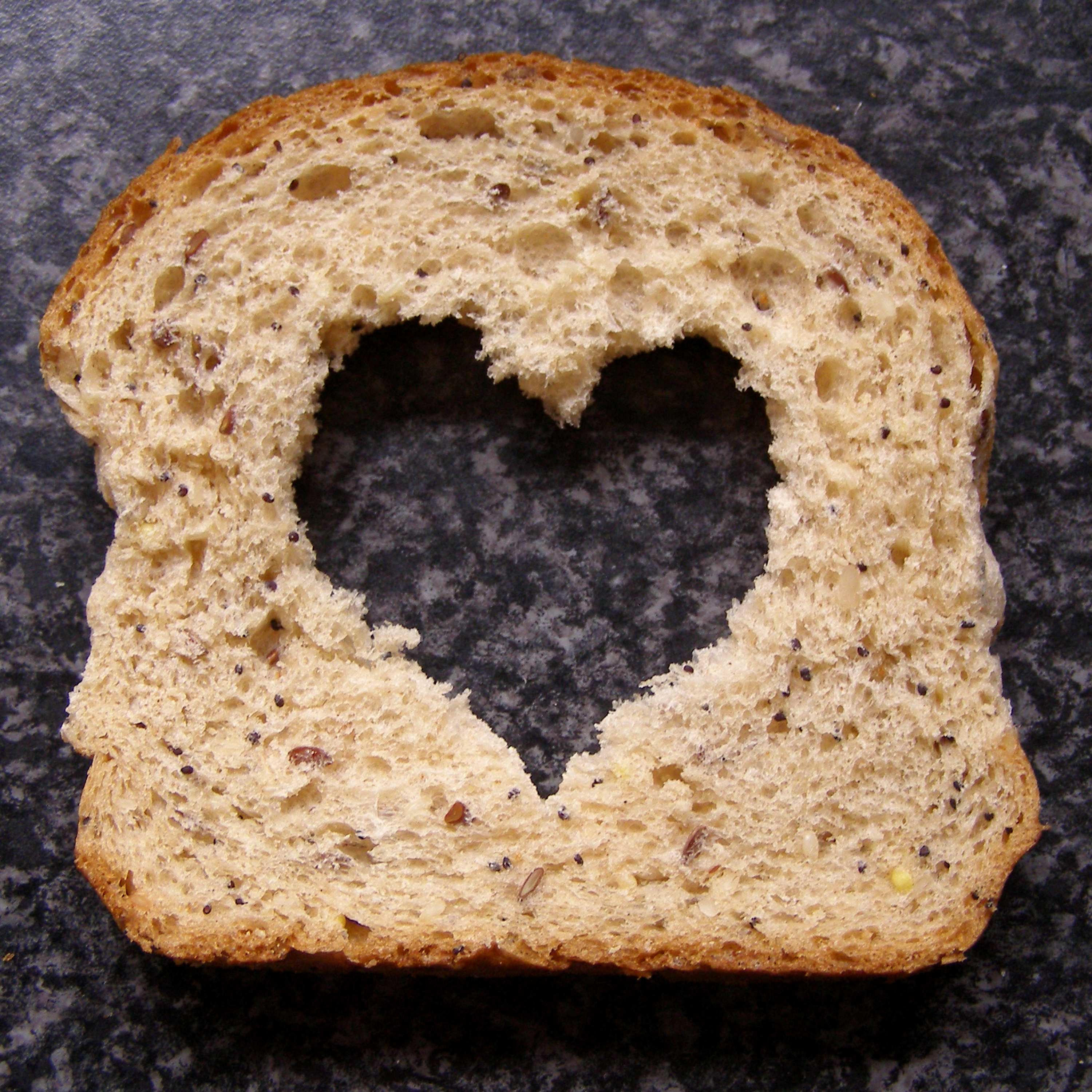

 ), which uses no-knead, quick and simple recipes. You prepare the dough in advance, and you can keep it in your fridge for up to two weeks. When you need a fresh loaf, you just cut off a portion of dough and bake up a loaf. However, I usually bake up the whole batch at once, and freeze the loaves not needed immediately in a big re-usable plastic container. That way, I only have to use the oven once, and that saves energy. Here is a picture of my home-made bread.
